
Tourism · Visit plan
A visit plan for Aba, Enyimba City
Aba, Abia, Nigeria
A flexible starting point built from BuzzBuntu's published record. Confirm opening times, routes and local access with the community before travelling.
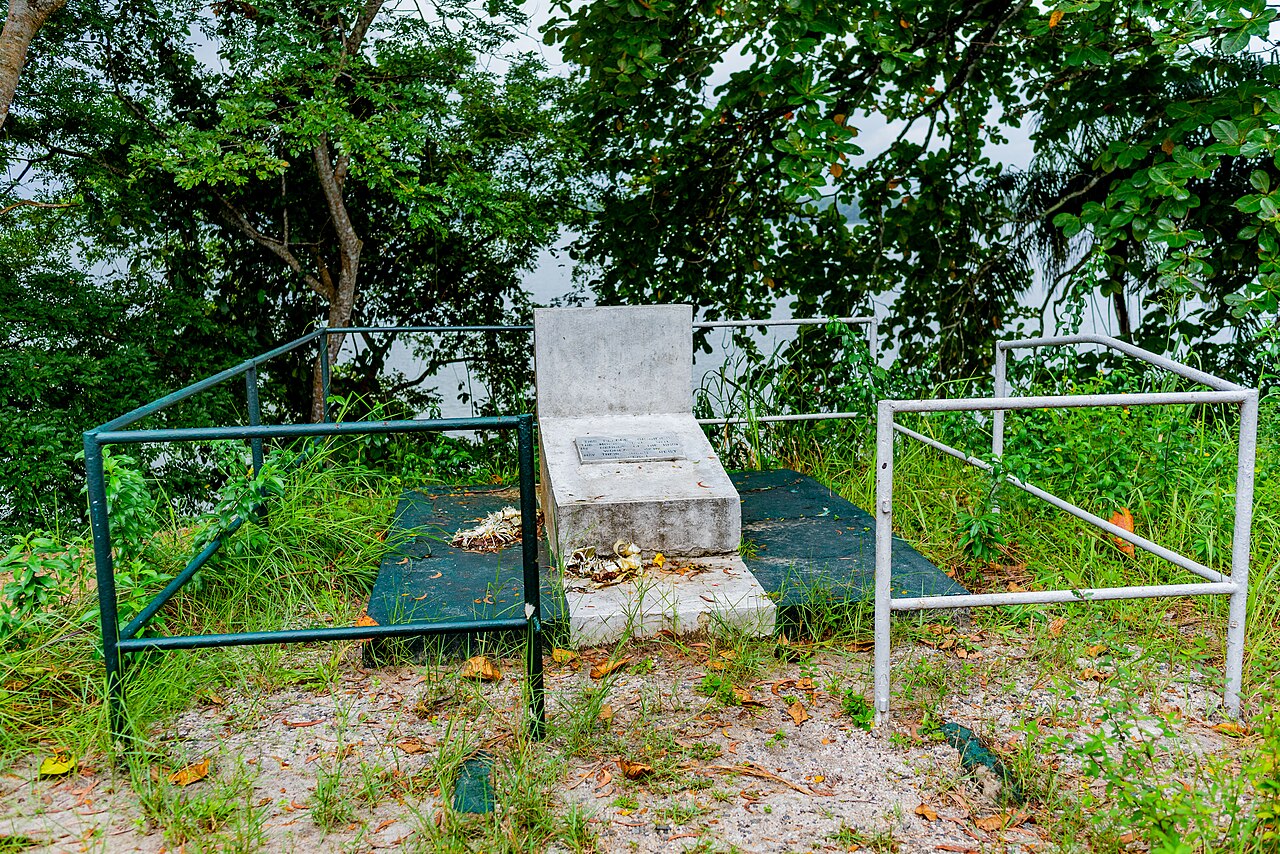
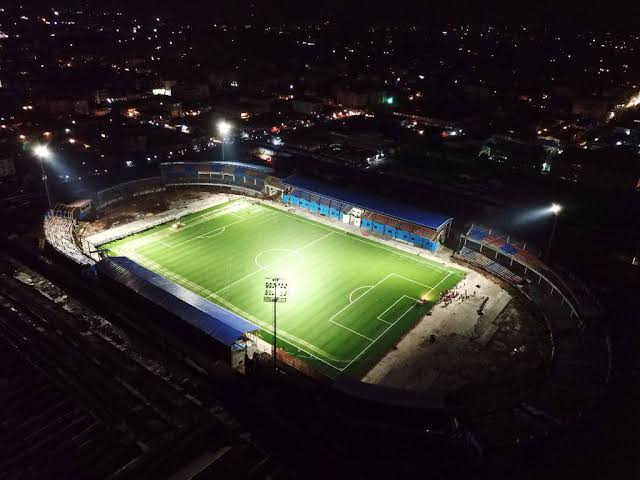
Aba is Aba Ngwa, nicknamed Enyimba - the elephant - and known as Enyimba City. It grew as a colonial collecting town for palm oil and palm kernels on the railway, and its modern culture is industrial: the master-and-apprentice system that trains a young person in a trade and hands them a market, the leather and footwear workshops, garment making and printing, and the "Aba-made" identity that carries the city's goods across West Africa. Ariaria International Market is that workshop culture's front room - open-air, open Monday to Saturday, and described in the reference record as one of the largest markets in West Africa. Around it stand the leather market, the apparel market on Ndoki Road and the workshops the city is known for. Wesley Cathedral stands on Park Road, Enyimba International Stadium carries the city's name into football, and the National Museum of Colonial History holds the colonial-era record. In 1929 Aba was where the Women's War reached its most violent point, after the colonial administration began counting women as a prelude to taxing them; the mock grave and the sculpture in this gallery remember it. The city's own account of its quarters and its trades is what a visitor should carry away. Photographs, via Wikimedia Commons: Ariaria market - VenturesAfricaNG, CC BY-SA 3.0. The leather market, Aba - Stefcray, CC BY-SA 4.0. Aba-made sandals and bags, on sale at Eke Okigwe market - NiferO, CC BY-SA 4.0. The apparel market on Ndoki Road, Aba - Soulmender (Chinomso Nzenwa), CC BY-SA 4.0. Wesley Cathedral, Park Road, Aba - Soulmender (Chinomso Nzenwa), CC BY-SA 4.0. Enyimba stadium, Aba - Nyerougo, CC0. The mock grave of the 1929 Women's War - Dappa Solomon, CC BY-SA 4.0. A sculptural representation of the Women's War - Harriwillz, CC BY-SA 4.0. Licences: https://creativecommons.org/licenses/by-sa/3.0/ https://creativecommons.org/licenses/by-sa/4.0/ https://creativecommons.org/publicdomain/zero/1.0/
Start here
The first things worth seeing when you arrive.
Stop 1
Ariaria International Market
The open-air market that is the city's workshop culture on show, open Monday to Saturday, and described in the reference record as one of the largest markets in West Africa.
Stop 2
The leather market
The market where Aba's leather trade is sold, and one of the sights the city is known for.
Meet the culture
Read the people, craft and heritage that give the place its context.
Then explore
The apparel market on Ndoki Road
The garment market on Ndoki Road, where the city's tailoring and printing trades reach the street.
The Aba-made workshops
The leather and footwear workshops whose master-and-apprentice system trains a young person into a trade and hands them a market. The workshops are worked places; a visit is arranged with the people who work in them.
The National Museum of Colonial History
The museum that carries the city's colonial-era record, named on the National Museum's own list of the city's sights.
The Women's War memorial
The mock grave and the sculpture remembering the Women's War, which reached its most violent point here in 1929.
Enyimba International Stadium
The stadium that carries the city's nickname into Nigerian football.
Wesley Cathedral, Park Road
The Methodist cathedral on Park Road, one of the city's older public buildings.
Add nearby places
These published places share the same country and are ranked by city and region.
Before you go
BuzzBuntu does not currently have verified hotel, restaurant or tour-operator records for this place. Those will appear only when real business details have been verified; the platform does not invent prices, routes or availability.